

Technology and workflow
Integration is a chain of tested handoffs
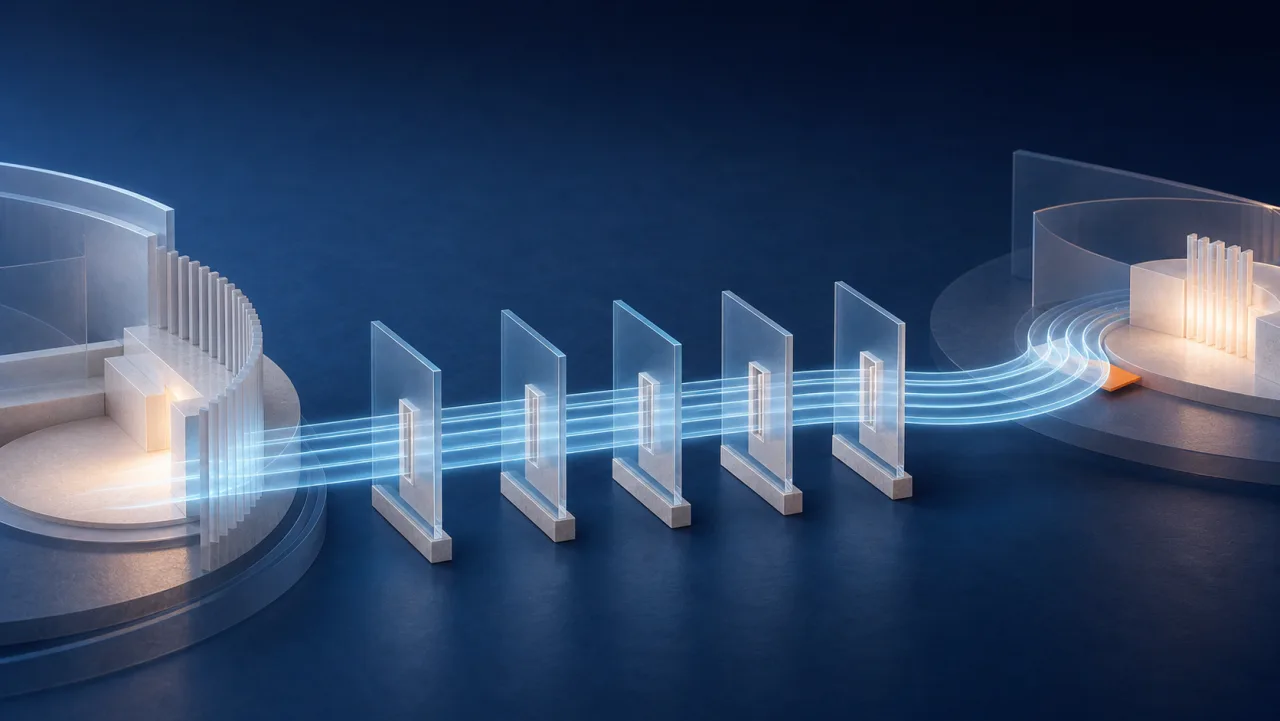
Most integration failures have nothing to do with moving an image from one system to another. They show up at the seams: a prior that never crossed, a report sitting behind a stalled interface, a downtime path nobody agreed on in advance. Each handoff should be defined, given an owner, and tested before production use.
At a glance
What has to be true before go-live
- Integration planning covers DICOM routing, PACS/worklist behavior, controlled testing, report return, and change management.
- Compatibility, technical controls, support responsibilities, and service levels are evaluated for each facility environment.
- This site does not establish that DLA Imaging uses a particular AI product in clinical workflow.
- Technical and security commitments are documented for each approved facility connection.
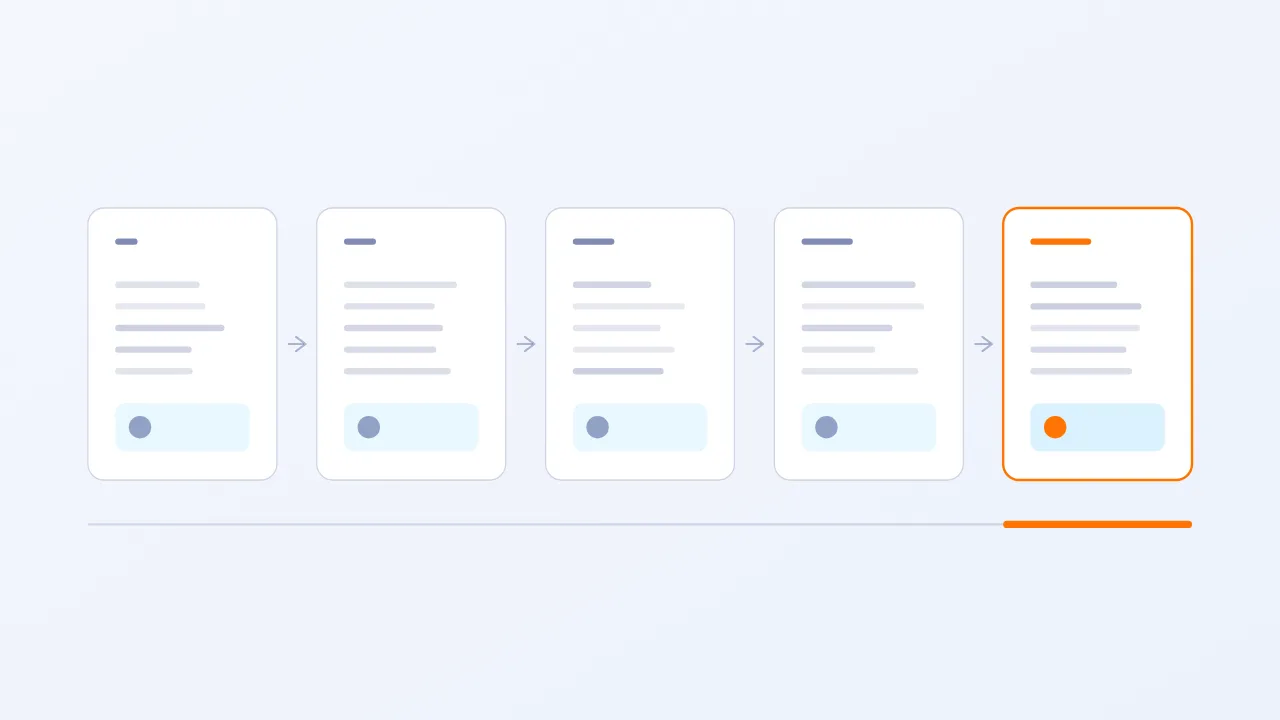
Integration walkthrough
A facility connection is a sequence of owned, testable handoffs.
Step 1
Map the workflow
Document modalities, study volume, clinical context, prior access, urgency labels, report destinations, critical-result contacts, and downtime ownership.
Step 2
Design the route
Define DICOM endpoints, network protections, role-based access, audit expectations, and the image/report return path. Technical controls require facility validation.
Step 3
Complete readiness
Align contracting, reader eligibility, credentialing evidence, privacy responsibilities, and support contacts before any clinical workflow begins.
Step 4
Test without PHI
Use non-PHI test studies to validate identifiers, image completeness, routing, worklist priority, report delivery, and escalation acknowledgement before cutover.
Step 5
Go live deliberately
Start with named owners, monitored handoffs, a downtime route, and a review cadence. Expand only after the tested pathway is stable.
What does the DICOM and PACS pathway include?
The pathway begins where an authorized study leaves the facility modality or PACS and enters an approved DICOM route. It ends when the report reaches the destination the facility approved. Everything in between is a handoff that someone owns. This describes the architecture of a connection, not a claim that a particular component is already deployed in a given facility.
DICOM describes how imaging data and related metadata are exchanged. PACS stores and presents imaging studies. A worklist helps route studies and status. Interfaces may carry orders, reports, or acknowledgements, depending on the facility design.
A diagram can explain these roles, but it cannot prove compatibility with a particular environment.
- An approved DICOM route out of the modality or PACS.
- Worklist placement and reader access.
- Relevant clinical context and authorized prior studies.
- Interpretation and report generation.
- Delivery to the destination the facility approved.
How should a connection be tested?
Before cutover, synthetic non-PHI test studies should verify route completeness, metadata integrity, modality and body-part mapping, urgency labels, worklist behavior, report return, acknowledgement, and exception handling. A facility should approve written acceptance criteria before a production route is authorized.
Migration or interface changes also need reconciliation: confirm that studies, statuses, reports, and audit records reach the expected destination without duplication or omission.
Non-PHI testing before cutover is the documented requirement. The public site must never supply or receive clinical test data.
- Route and receive a synthetic non-PHI test study through the intended path.
- Verify test identifiers, series completeness, timestamps, modality, anatomy, and urgency.
- Confirm worklist state, interpretation access, report return, acknowledgement, and addenda.
- Exercise downtime, fallback, escalation, monitoring, and rollback before go-live.
What can be said about security and resilience?
Security and resilience are addressed through facility-specific controls, named responsibilities, monitoring, incident handling, recovery, and facility obligations. The applicable technical and contractual documentation defines the implementation details.
Security responsibilities, protected-data handling, access controls, and applicable business-associate terms belong in the facility’s documented implementation and agreement.
Monitoring, fallback routes, escalation, recovery, reconciliation, and rollback should be tested and assigned before production use.
The static marketing site itself sends no clinical data and makes no external first-party page request for analytics, chat, maps, pixels, or fonts.
Where does artificial intelligence belong in the explanation?
This website makes no claim that DLA Imaging deploys artificial intelligence to diagnose, prioritize, or improve interpretations. Any technology used in a facility workflow must remain within its documented role, validation, oversight, limitations, and governance.
No AI product, performance metric, autonomous reading function, or clinical outcome is represented here.
Human responsibility must remain clear. Technology can support a workflow, but it does not replace the professional responsibilities established for the service.
FAQ
Common questions
What is DICOM?
DICOM is a standard used to exchange medical images and related information between authorized systems. A DICOM route still requires design, testing, access controls, and operational ownership.
What is PACS?
A picture archiving and communication system stores, retrieves, and presents imaging studies. Its exact role and interfaces differ by facility.
Does DLA Imaging work with every PACS?
No universal compatibility claim is made. A specific PACS, interface, worklist, and report destination require technical discovery and controlled testing.
What happens before go-live?
The parties should inventory systems, design routes, confirm credentials and contacts, test synthetic non-PHI studies and report return, exercise exceptions, and approve acceptance criteria.
Can this website receive DICOM studies?
No. The public website is not a clinical system and accepts no images, reports, orders, patient identifiers, or protected study data.
Is DLA Imaging security-certified?
This site does not publish a security certification or accreditation. Facility-specific security controls and responsibilities are documented in the technical implementation and applicable agreement.
Does DLA Imaging use AI to read studies?
This website makes no claim that DLA Imaging uses AI to read studies. Facility workflows should document the role, limitations, validation, and human oversight of any supporting technology.
How are outages handled?
A production plan should define monitoring, contacts, fallback routes, escalation, recovery, reconciliation, and rollback.
Where DLA Imaging provides reading services under a facility agreement, reports return through the ordering care team’s established workflow. This website does not provide medical advice, diagnoses, or emergency services.